

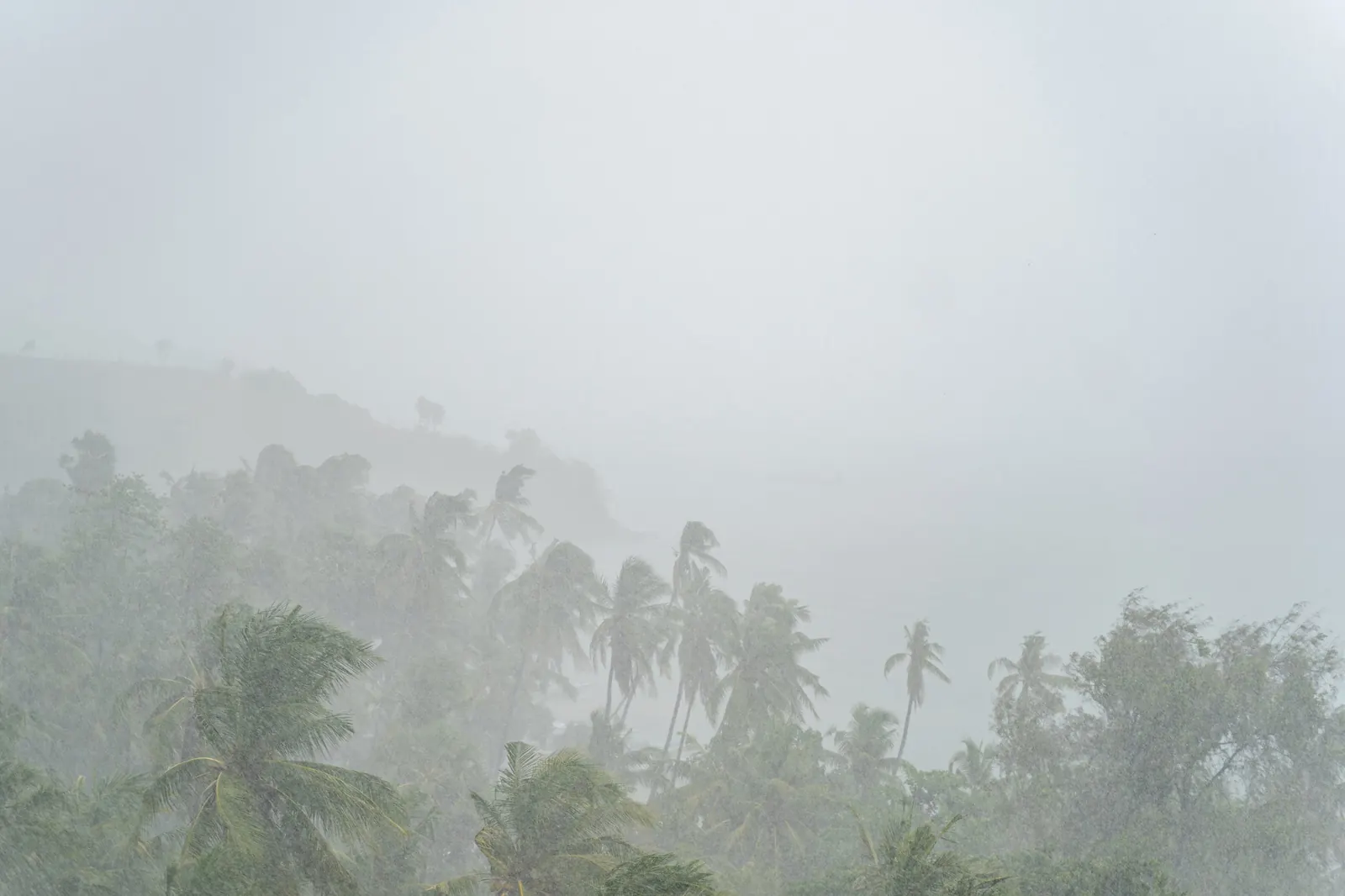
Short answer: Las Terrenas is warm all year, with temperatures usually in the low 20s to around 30°C (low 70s to high 80s °F). January to April is the driest, sunniest stretch and the classic time to visit. May to November is wetter and greener, and it overlaps the Atlantic hurricane season (June to November). Even in the wetter months, rain tends to arrive as short, heavy showers rather than days of gray sky, so it mostly affects how you get around rather than whether you can enjoy your trip.
The year at a glance
- Driest and sunniest: January to April
- Hottest: roughly July to September
- Wettest and most humid: late spring and the second half of the year
- Hurricane season: June to November, with the highest risk from August to October
- Whale season in Samaná Bay: roughly January to March
- Busiest for visitors: Christmas to Easter
Climate sources disagree on exactly which month is wettest, and on the north coast a shower is possible in any month (it's the reason everything here is so green). Please treat the month-by-month guide below as a guide rather than a guarantee.
Las Terrenas weather, month by month
January
Dry, sunny and comfortable, with cooler evenings than the rest of the year. It's high season, so beaches and restaurants are lively. Humpback whales start arriving in Samaná Bay during the month.
Getting around: ideal scooter weather, and a good window for the dirt roads to remote beaches. Book your vehicle ahead, as demand is high.
February
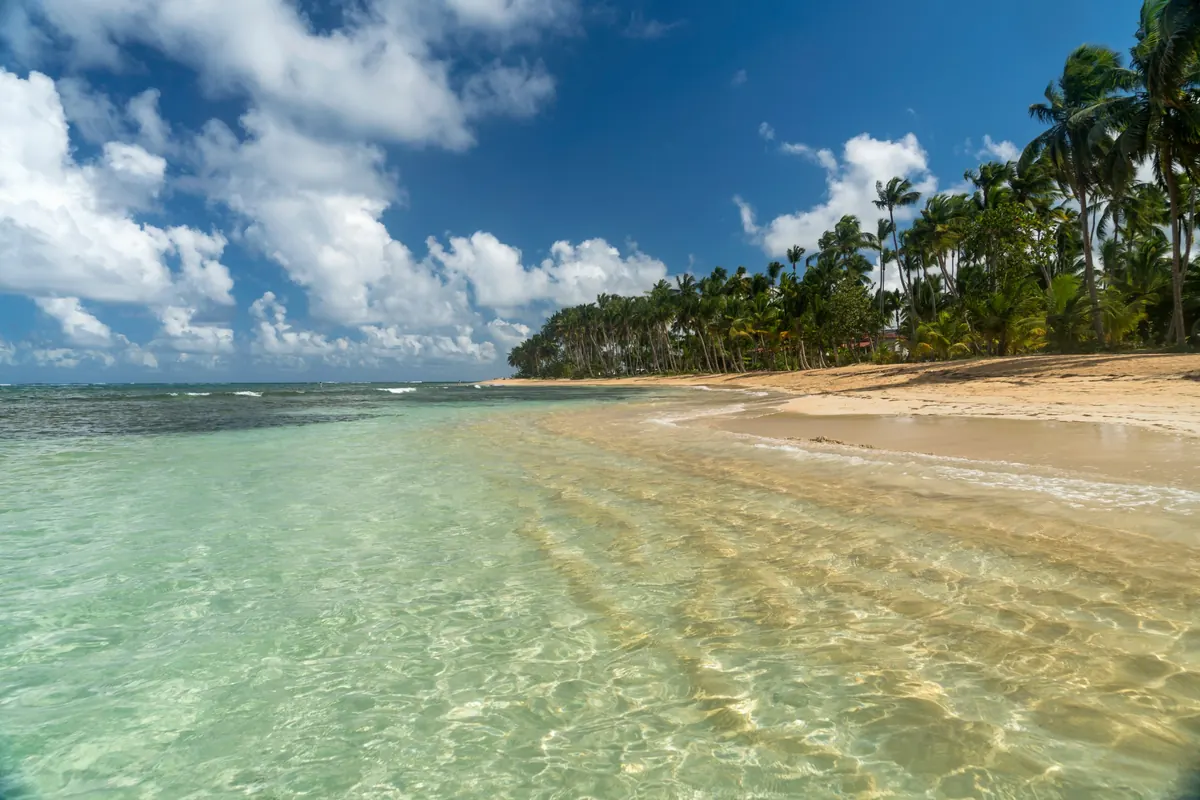
Usually one of the best months of the year: dry, bright and not too hot. Whale watching is at its peak, and Carnival brings parades and costumes to towns across the country on Sundays through the month, ending around Independence Day on 27 February.
Getting around: great for every kind of vehicle. If you want a whale-watching day in Samaná town, a car or SUV makes the drive easy.
March
Still dry and sunny, with the heat starting to build. The whale season winds down toward the end of the month. In some years Semana Santa (Holy Week before Easter) falls in March, and in 2027 it does, with Easter Sunday on 28 March. That week is one of the busiest of the year, as many Dominicans head to the beach.
Getting around: book well ahead if your trip overlaps Holy Week.
April
The last month of the classic dry season, warm and mostly sunny. When Semana Santa falls in April, expect the same holiday rush. After Easter the town gets noticeably quieter.
Getting around: still a good month for the rough-road beaches. Post-Easter is a good time to ask about weekly or monthly rates.
May
Showers become more frequent, and some sources rank May among the wettest months. The hills turn greener and the beaches quieten down.
Getting around: two wheels still work well if you plan around the showers. Save the dirt-road trips for dry spells.
June
Hot and humid, and typically the muggiest month of the year. Hurricane season officially starts on 1 June, although early-season storms are uncommon.
Getting around: start early, when it's cooler and clearer, and plan to be off the scooter during afternoon downpours.
July
Hot, with frequent but usually short tropical showers. Summer vacations bring some visitors back, especially families from the capital.
Getting around: a car with air conditioning is at its most appealing from here until fall.
August
One of the two hottest months. Showers are frequent, and this is the start of the most active part of the hurricane season, so keep an eye on forecasts.
Getting around: keep plans flexible. The waterfalls are full and impressive after rain.
September
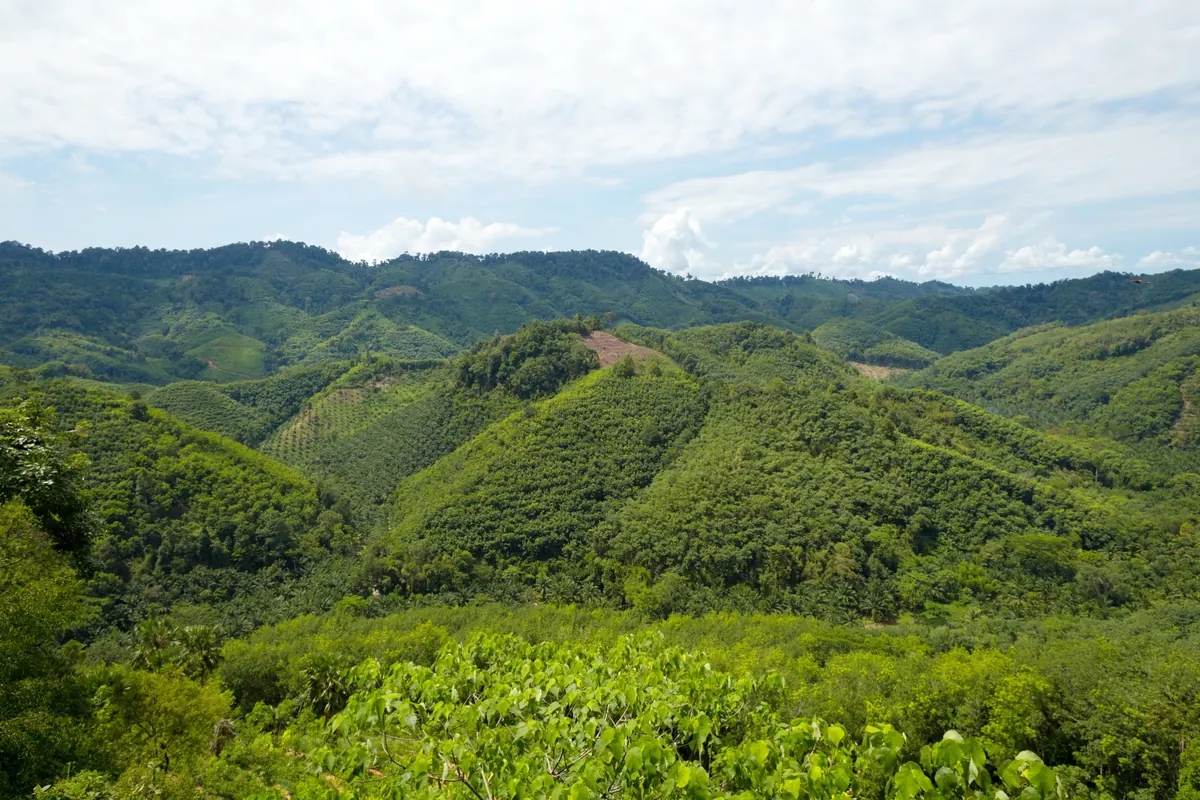
Hot and green, and usually one of the quietest months for visitors. It sits in the middle of the peak hurricane window. Direct hits on the peninsula are rare, but it's sensible to watch the forecasts and leave some flexibility in your plans.
Getting around: a car or SUV takes the weather out of the equation. This is also when it's easiest to find a vehicle at short notice.
October
Still warm and showery, with the hurricane season continuing. Like September, it's a quiet, low-key month, and a good one if you prefer empty beaches to perfect weather.
Getting around: paved-road trips are fine between showers. Leave the muddy dirt roads to 4x4s, ATVs and buggies.
November
The rain starts to ease off toward the end of the month, and the hurricane season ends on 30 November. Visitor numbers begin to rise again.
Getting around: a good shoulder month for longer stays, with more room to agree long-stay rates before the high season starts.
December
The turn into the dry season, with drier weather and a festive atmosphere as visitors return for the holidays.
Getting around: book ahead around Christmas and New Year, when rental demand peaks.
What rain actually looks like here
- Most rain comes as a short, heavy downpour followed by sunshine, rather than long gray spells.
- Mornings tend to be clearer. Showers often build later in the day, so an early start usually gets you the best of the weather.
- Paved roads dry quickly after a shower, while dirt roads hold the water much longer.
Scooter tactics for a showery week
A scooter is still a good choice in the wet season. The trick is to ride around the weather rather than through it:
- Wait it out. Roads are at their slickest in the first minutes of rain, and a coffee break of 40 minutes or so is often enough for the shower to pass.
- Keep a poncho in the seat compartment in case you're caught out far from shelter.
- On wet pavement, brake earlier and lean less. Painted road markings are the most slippery part.
- Keep your plans flexible. An itinerary without a fixed order, like our week of things to do in Las Terrenas, lets you move beach days around the weather.
When four wheels win
If your trip falls between July and November and you'd rather not plan around the sky, a car or SUV takes the weather out of the equation. You get air conditioning, dry seats, dry shopping and plans that don't need to change. Families in particular tend to be more comfortable on four wheels in the green season. There's more on choosing in do you need a car in Las Terrenas?
Dirt roads after rain: the one real limitation
The peninsula's wilder spots, such as the final stretch to El Valle, the entrance to Playa Morón and the mountain trails, get muddy and rutted after heavy rain. As a rough guide:
- The day after heavy rain: stick to destinations on paved roads, such as Cosón, Bonita and El Limón town
- During a dry spell: this is a good time for El Valle and the rough-road beaches
- A 4x4, ATV or buggy widens the window considerably, and for some renters the mud is part of the fun
What to pack for the weather
- Reef-safe sunscreen, sunglasses and a hat, whatever the month
- A light rain jacket or poncho from May to November
- A dry bag for your phone and documents on scooter and boat days
- A light layer for breezy evenings in January and February
- Insect repellent, especially after rain
FAQ
What is the best time to visit Las Terrenas? January to April has the driest, sunniest weather, and it's also whale season in Samaná Bay. December is lovely too, but busy around the holidays.
What is the cheapest time to visit Las Terrenas? September and October are usually the quietest months, and it's easiest to find a vehicle and a good long-stay rate then.
What is the weather like in Las Terrenas in the rainy season? Hot and green, with frequent but usually short showers. All-day rain does happen, but it's the exception.
When is hurricane season in the Dominican Republic? 1 June to 30 November, with the most activity from August to October. Direct hits on the Samaná peninsula are rare, but it's worth keeping an eye on forecasts and leaving some flexibility in your plans.
When can you see whales in Samaná? Roughly January to March, with the peak around February.
Can you rent a scooter in the rainy season? Yes. Do as the locals do and wait out the showers, keep a poncho with you, and ride gently on wet roads.
Which vehicle is best for the wet months? A car or SUV if you want plans that don't depend on the weather, or a 4x4, ATV or buggy if you'd enjoy the muddy roads.
Whatever the sky's doing
You can compare scooters for the dry season and SUVs for the green season from local Las Terrenas rental companies, and contact each one directly on WhatsApp.


