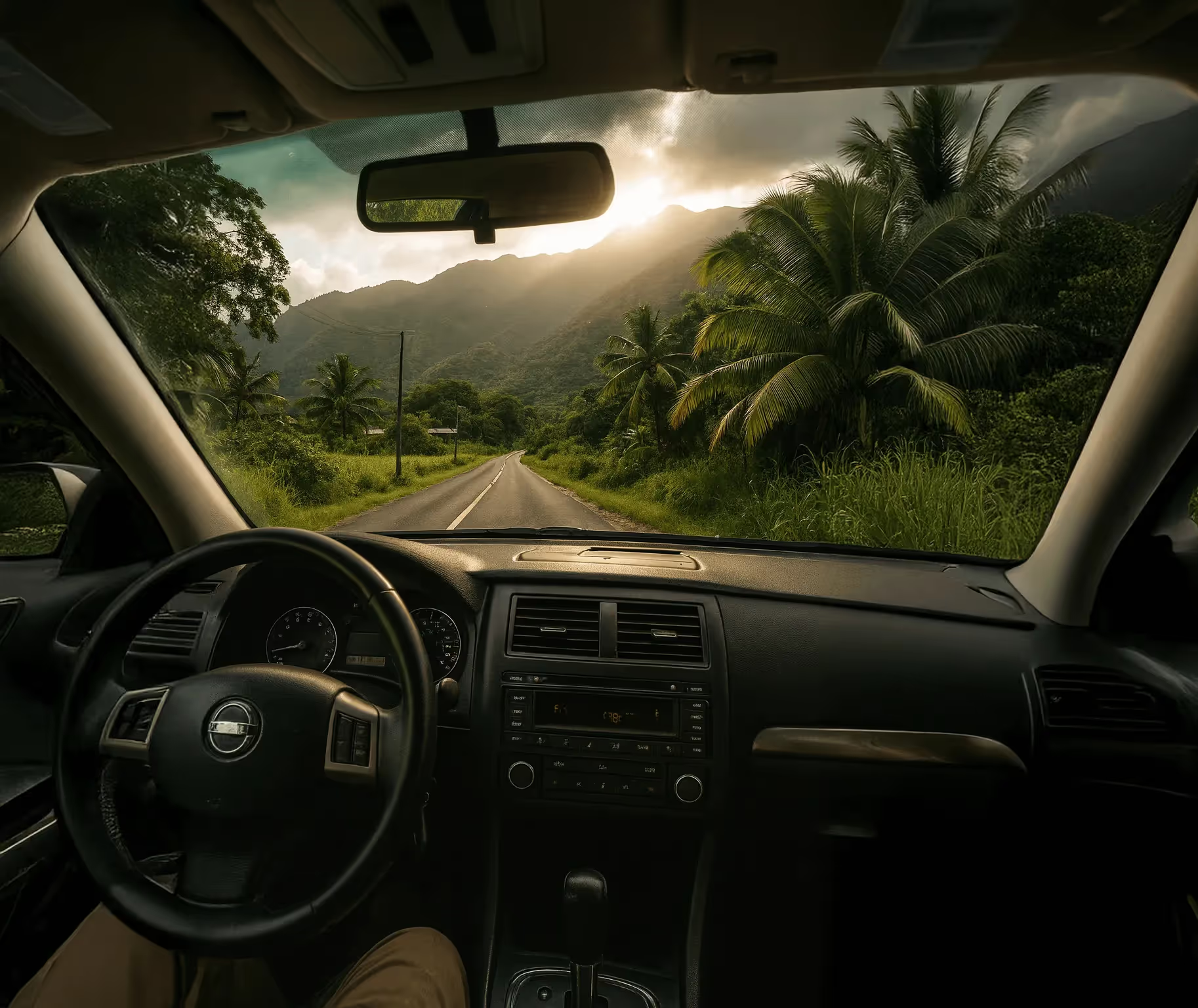

If you’re visiting the Dominican Republic for the first time, driving here can feel a little intimidating. Between motorcycles, unexpected speed bumps, and a driving style that may seem chaotic compared to North America or Europe, it’s normal to wonder if renting a vehicle is a good idea.
The good news? Thousands of tourists safely drive throughout the Dominican Republic every year. Once you understand a few local customs, navigating places like Las Terrenas becomes much easier.
Expect Motorcycles Everywhere
Motorcycles are one of the most common forms of transportation in the Dominican Republic. You’ll see them in cities, small towns, and even on rural roads.
A few things to keep in mind:
- Always check your mirrors before changing lanes.
- Expect motorcycles to pass on either side.
- Give yourself extra space when stopping or turning.
The key is staying alert and driving predictably.
Speed Bumps Are Everywhere
One of the biggest surprises for visitors is the number of speed bumps, known locally as “policías acostados.”
Some are clearly marked, while others seem to appear out of nowhere.
To avoid damaging your vehicle:
- Slow down when entering towns or neighborhoods.
- Watch how local drivers react.
- Be extra cautious at night.
Many experienced visitors joke that avoiding speed bumps is a Dominican driving skill on its own.
Horns Are Communication, Not Aggression
In many countries, honking is considered rude. In the Dominican Republic, it’s often just a form of communication.
Drivers may use a quick horn tap to:
- Let someone know they’re passing.
- Alert another driver of their presence.
- Signal that traffic is moving.
- Say hello to a friend.
Most of the time, it isn’t personal or aggressive.
Driving Times Are Usually Longer Than Expected
Google Maps may tell you a destination is 20 minutes away, but local traffic, road conditions, and small-town activity can sometimes add extra time.
When planning day trips around Samaná, it’s always smart to give yourself a little flexibility.
The journey is often part of the adventure anyway.
Watch for Dogs and Other Animals on the Road
One thing many visitors don’t expect is how common it is to encounter dogs near roadways, especially in smaller towns and residential areas.
While most are accustomed to traffic, they can sometimes cross unexpectedly or rest near the side of the road.
To stay safe:
- Reduce your speed in residential areas.
- Stay alert, especially at night.
- Avoid swerving suddenly if an animal appears.
- Give yourself extra braking distance whenever possible.
You may also encounter cats, chickens, goats, or livestock in more rural areas. It’s all part of the unique charm of exploring the Dominican Republic, but it’s a good reminder to stay attentive behind the wheel.
Defensive Driving Is Your Best Friend
The most important rule of driving in the Dominican Republic is simple: stay calm and drive defensively.
Assume that:
- A motorcycle may appear unexpectedly.
- A pedestrian may cross the road.
- A speed bump could be around the next corner.
- A dog might walk in front of you out of no where.
The more relaxed and attentive you are, the more enjoyable your experience will be.
Final Thoughts
Driving in the Dominican Republic is different from driving in the United States, Canada, or Europe, but it’s far from impossible.
In fact, having your own vehicle gives you the freedom to discover hidden beaches, waterfalls, local restaurants, and scenic roads that many tourists never get to experience.
Once you understand the rhythm of Dominican driving culture, you’ll quickly realize that exploring at your own pace is one of the best ways to experience Las Terrenas and the Samaná Peninsula.
.webp)